

Visiting San Blas means entering an autonomous Indigenous territory with its own authorities, rules, and forms of organization. The archipelago is not simply a tourist destination: it is the ancestral territory and home of the Guna people.
For this reason, some activities that are common in other Caribbean destinations are prohibited or require authorization in Guna Yala. Respecting these rules helps protect local culture, preserve the ecosystem, and maintain appropriate relationships among visitors, communities, transportation providers, and crews.
In this guide, we explain the main rules for visitors, which activities are not permitted, and how to practice responsible tourism in San Blas.
Rules may be updated by Guna Yala authorities and may also vary from one community to another. Before your trip, the current official rules and the instructions provided by your crew, accommodation, and transportation providers always take precedence.
What Is Guna Yala?
Guna Yala is an autonomous Indigenous territory on Panama’s Caribbean coast. Although it is internationally known as San Blas, the territory’s official name is Guna Yala.
The territory is governed according to its own rules and institutions. The Guna General Congress is part of Guna Yala’s traditional government and representative structure and establishes rules related to life within the territory, including tourism activities.
This means that rules in Guna Yala may differ from those found in other destinations in Panama. Visitors, tour operators, boats, accommodations, and transportation providers must respect them.
Why Do Visitors Need to Know the Local Rules?
Many travelers arrive in San Blas expecting it to operate like a conventional tourist destination. However, Guna Yala does not have large resorts, developed marinas, or a conventional hotel network.
The islands are used as homes, community spaces, fishing areas, and are a fundamental part of Guna identity. Some communities welcome visitors, while others may restrict access. Even behavior that is accepted on one island may depend on authorization from that island’s local authorities.
Understanding the rules in advance helps prevent uncomfortable situations and demonstrates respect for the people who live in the territory.
1. Do Not Touch Marine Life
Do not touch, remove, or handle starfish, coral, turtles, or other marine animals.
Starfish should never be removed from the water for photos.
Even though they may appear resilient, handling them and exposing them to air can harm them.
While snorkeling:
- Keep your distance from animals;
- Do not step on coral;
- Do not remove shells or living organisms from the sea;
- Do not chase turtles, fish, or rays;
- Avoid placing your feet or equipment on reefs;
- Observe marine life without interfering with its behavior.
A good photograph captures an animal in its natural environment without touching or moving it.
2. Recreational Fishing Is Not Permitted
Visitors should not bring fishing equipment to Guna Yala. Spearfishing is expressly prohibited by local authorities.
Fishing is an important economic and cultural activity for many Guna families. The best way to enjoy local seafood is to purchase the catch of the day directly from local fishers when the catch and sale of that species are permitted. In addition to respecting local rules, this practice supports community economies.
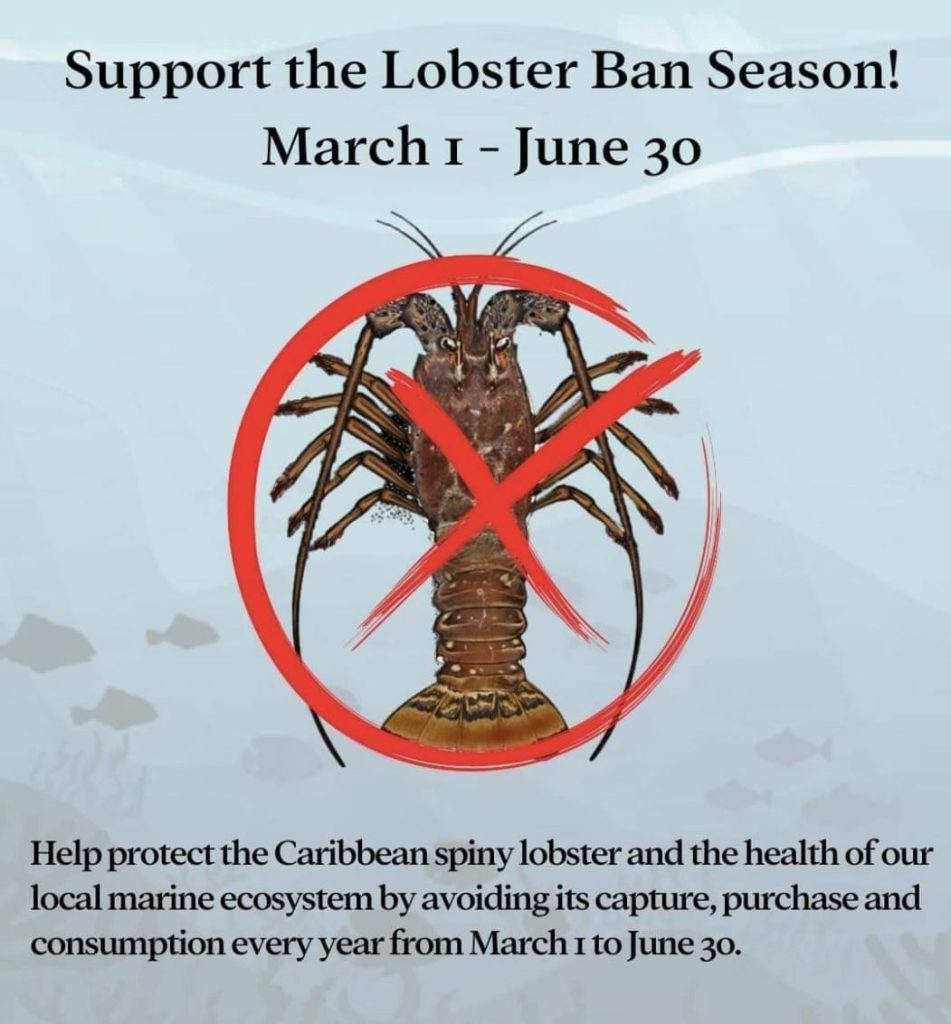
3. Respect the Lobster Closed Season
A closed season is a period during which the capture, sale, and consumption of certain species are suspended to support reproduction and protect marine resources.
Guidance published by the Guna Congress establishes the lobster closed season in San Blas from March 1 through June 30. During these months, visitors should not buy, request, or consume lobster, even if it is offered informally.
Responsible behavior includes:
- Do not request lobster during the closed season;
- Do not purchase lobster directly from fishers or vendors;
- Choose fish and other foods that are legally available for sale;
- Check the current rules before your trip.
Protected dates and species may be updated by the authorities. The rules in effect at the time of your visit should therefore always take precedence.
4. Drones Require Authorization
Drone use in Guna Yala requires authorization. Bringing a drone does not mean you will be allowed to use it.
There are particularly important restrictions. Drone use is prohibited:
- At ports and during transportation;
- Near airstrips;
- Over communities and homes;
- Near people without their consent;
- In areas designated by local authorities;
- In culturally sensitive locations.
Before traveling with a drone, check the applicable requirements. Authorization should never be assumed and may depend on the Guna General Congress, community authorities, or both.
Do not use a drone secretly or without confirmation that you have authorization. Violating the rules may result in fines.
5. Ask Permission Before Photographing People
The scenery may make visitors want to capture every moment, but residents should not be treated as part of a tourist attraction.
Before photographing or filming someone, clearly ask for permission. This is especially important when photographing or recording:
- Children;
- Residents in or around their homes;
- Artisans while they are working;
- Ceremonies and cultural events;
- Community spaces;
- Traditional authorities;
- People wearing traditional clothing;
- The crew of your boat and other boats and, of course, other travelers.
The absence of a refusal does not mean consent. If someone appears uncomfortable or does not understand the request, do not take the photo or video.
The Guna General Congress also states that certain locations may not be photographed or filmed without express authorization from local authorities.
6. Not All Communities and Islands Are Open to Tourism
Guna Yala has many communities, and each one may establish specific rules for visitor entry and stays. Each community can set its own rules, and most do not have tourism activity.
Do not go ashore on an island or enter a community without guidance from your crew or accommodation. Even an apparently empty beach may:
- Belong to a family or community;
- Require payment of a visitor fee;
- Be temporarily closed;
- Be used for local activities;
- Have cultural or spiritual significance;
- Not be authorized to receive tourists at that time.
The captain or person responsible for your accommodation should confirm where going ashore is permitted.
7. Respect Local Authorities and Crew Instructions
Instructions from the captain, transportation providers, and community authorities must be respected. Route changes, canceled landings, or restrictions on certain activities may occur because of:
- Local rules;
- Weather conditions;
- Navigation safety;
- Community decisions;
- Protection of specific areas;
- Local events or ceremonies.
Insisting on visiting an island, using equipment, or participating in a prohibited activity can place the crew and the responsible company in a difficult position with local authorities and may result in fines for visitors.
8. Life Jackets Are Mandatory During Transfers
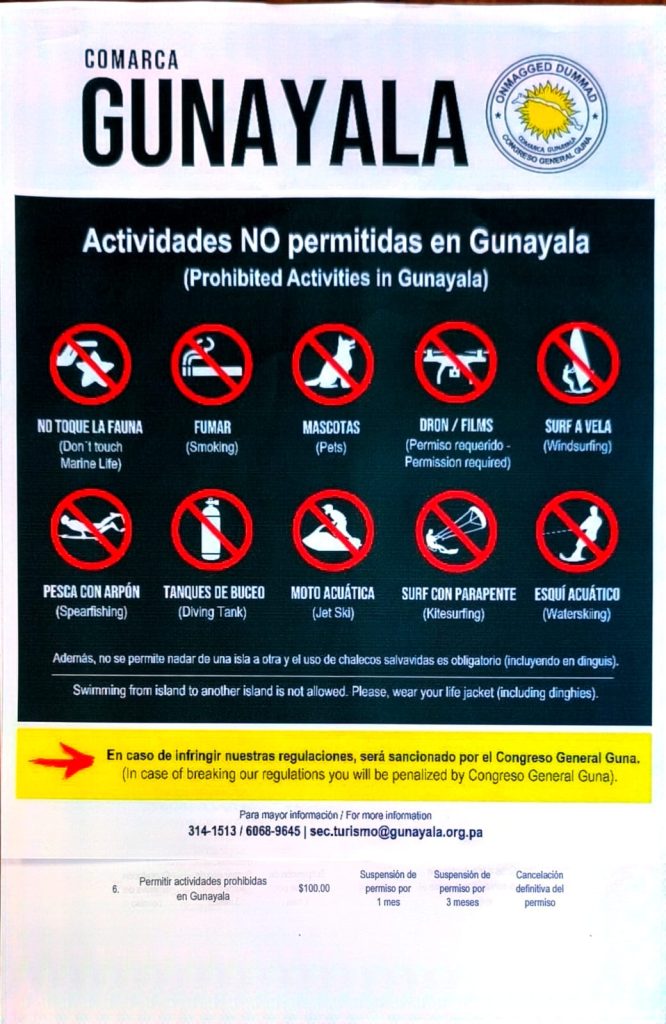
The notice published by local authorities requires the use of life jackets, including in dinghies and other small transfer boats.
Wear a life jacket whenever it is provided or required by the person responsible for the boat. Do not remove it during the trip without permission. Even if the sea looks calm or the ride is short, keep the life jacket on unless the person responsible for the boat tells you otherwise.
Swimming from one island to another is also not permitted.
Currents, speedboat traffic, and distances that are difficult to judge can make this activity dangerous.
9. Some Water Activities Are Prohibited
Certain water activities may be prohibited by Guna Yala authorities. Activities listed in currently available guidance include:
- Spearfishing;
- Scuba diving;
- Jet skiing;
- Kitesurfing;
- Windsurfing;
- Water skiing.
If a piece of equipment or activity does not appear on this list, that does not automatically mean it is permitted. Check with the crew, your accommodation, or the appropriate authorities before bringing your own water-sports equipment.
10. Pets Are Not Permitted
The notice issued by local authorities lists pets among the items not permitted in Guna Yala.
Do not travel with dogs, cats, or other pets. Health, community, and transportation rules may prevent their entry even if a hotel or airline you used earlier in your trip accepts animals.
Service animals require advance consultation because the logistics involve different authorities, transportation providers, and service providers.
11. Do Not Leave Trash Behind
Waste removal and disposal are major challenges in a remote archipelago. Reduce unnecessary packaging and follow staff instructions for storing and disposing of waste.
During your trip:
- Do not leave trash on beaches or in the sea;
- Avoid unnecessary plastics and disposable packaging;
- Use a reusable water bottle;
- Do not throw cigarette butts in the sand or water;
- Keep waste with you until it can be disposed of properly;
- Do not flush personal-hygiene products down the toilet;
- Follow crew instructions for separating waste;
- Take back any items that cannot be disposed of properly.
12. Conserve Water and Energy
Freshwater and electricity are limited resources in San Blas, both aboard catamarans and at island accommodations.
To reduce consumption:
- Take short showers;
- Turn off the faucet while brushing your teeth;
- Do not leave lights or fans on unnecessarily;
- Hair dryers, flat irons, and other high-power appliances are expressly prohibited;
- Report leaks or problems to the team responsible for your accommodation.
These practices are not simply operational limitations. They also help reduce the consumption of fuel, freshwater, and other limited resources.
13. Support Local Work and Products
Tourism can contribute directly to communities when visitors value the services and products offered by local residents.
You can support the local economy by:
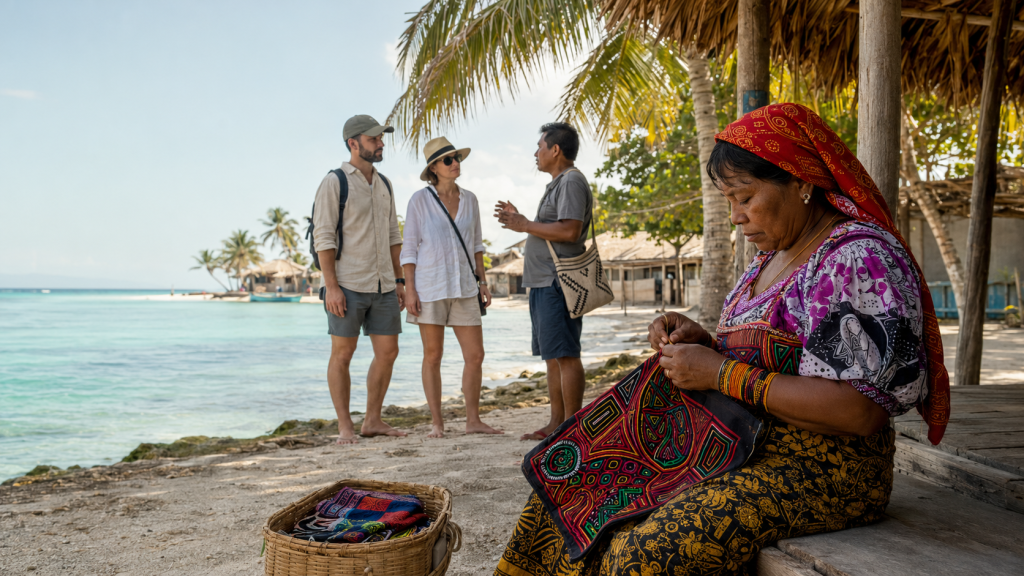
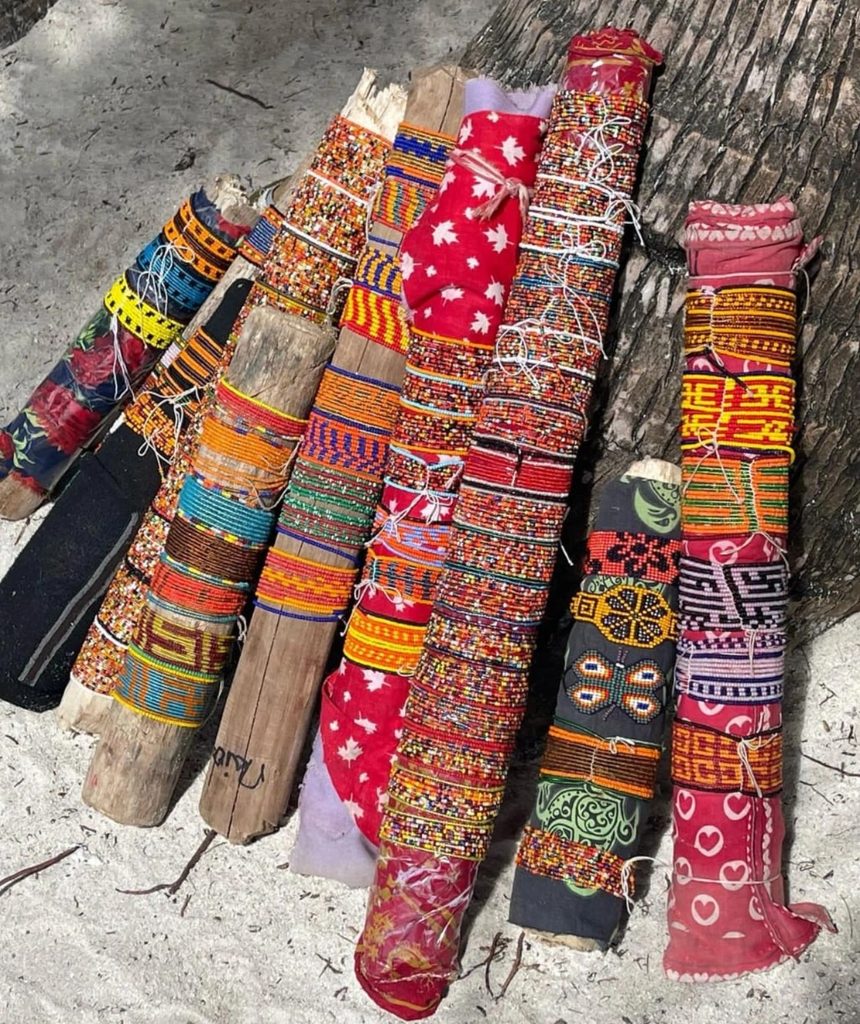
- Buying molas and handicrafts directly from Guna artisans;
- Buying permitted foods from local producers and fishers;
- Respecting the prices presented;
- Paying applicable community fees;
- Using only authorized transportation and services;
- Not encouraging the sale of protected species during closed seasons.
Molas are an important part of Guna women’s identity and artistic expression. When purchasing a mola, value the artisan’s work, the time required to create it, and the tradition represented by the piece.
14. Respect Cultural Differences
The customs, social organization, and infrastructure of Guna communities may be different from what visitors are accustomed to. These differences should not be described in a derogatory way or turned into content that portrays residents disrespectfully.
During your visit:
- Dress appropriately when entering inhabited communities;
- Avoid speaking loudly or entering homes without an invitation;
- Do not interrupt meetings, ceremonies, or community activities;
- Do not make derogatory comments about homes or customs;
- Do not give money, candy, or gifts directly to children. If you would like to contribute to a community, ask the local authority or responsible team about the appropriate way to do so;
- Follow crew instructions;
- Ask permission before walking around the islands.
Observing respectfully is more important than trying to document everything.
15. Choose Authorized Companies and Services
Boats, transportation providers, and accommodations that receive tourists in Guna Yala must comply with local authority requirements and pay applicable local taxes.
Before booking, try to confirm:
- Whether the boat or accommodation is authorized to receive visitors;
- Whether local taxes and permits are current;
- Who organizes the transportation;
- Whether the company explains the rules before the trip;
- Who will provide support if something unexpected happens;
- Whether the activities offered are permitted.
Very low prices or unclear information may indicate that some local obligations are not being met. Authorization affects not only whether an operation is compliant, but also access to the territory and traveler safety.
What Happens When a Rule Is Broken?
Violations may result in penalties imposed by the Guna General Congress.
Breaking the rules can have consequences for both visitors and the responsible operators.
For this reason, do not pressure the crew to make exceptions. If an activity is not authorized, the right decision is to respect the guidance you receive.
Traveling Respectfully Is Part of the Experience
Visiting San Blas is an opportunity to experience a territory of great cultural and environmental importance. For the experience to be positive, visitors need to understand that they are not simply entering a tourist setting, but the territory of the Guna people.
At San Blas Shared, we guide our travelers on local rules and present options that comply with the requirements applicable to tourism in Guna Yala.
Before your trip, review the specific guidance for the experience you reserved. Rules may be updated, and individual communities may adopt their own procedures.